Table of Contents
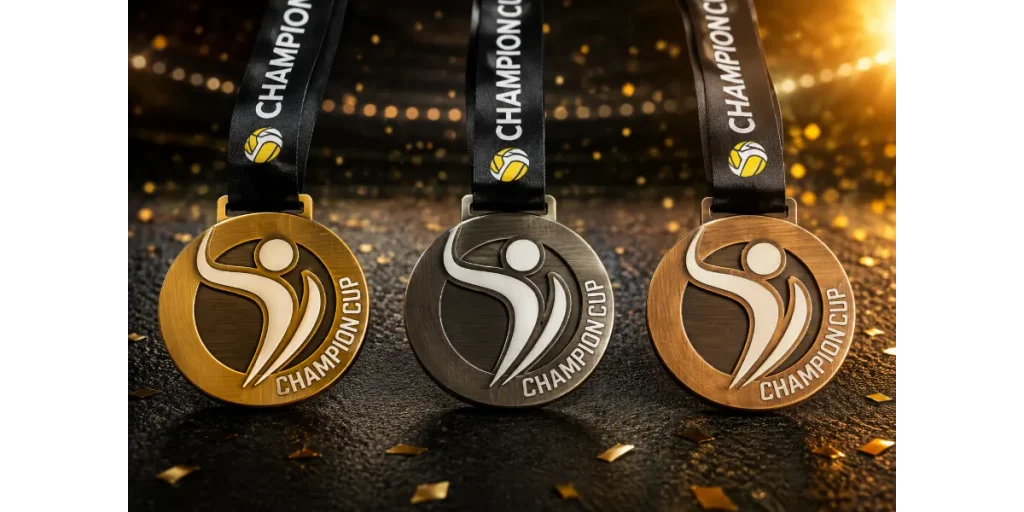
When you start comparing custom medal suppliers, the number of options can feel overwhelming. Different materials, finishes, production methods, and medal styles can make it difficult to know what your event actually needs.
A simple rule is to start with enamel medals unless your design, budget, or deadline calls for something else. They work well for most events and offer a good balance of color, detail, durability, and cost.
Below, we break down the most common medal options and where each one works best.
Medal Production Methods
Enamel Medals
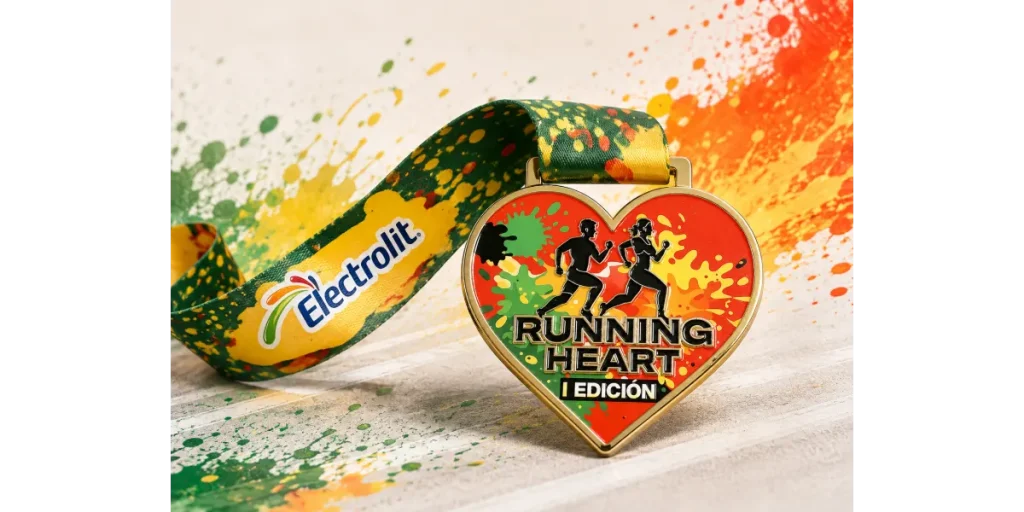
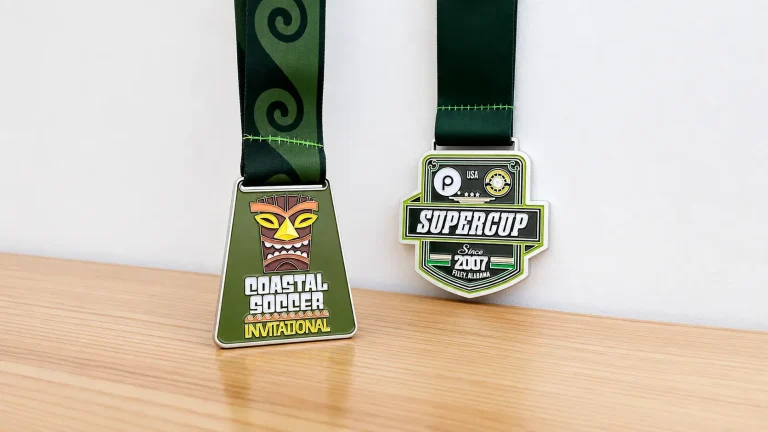
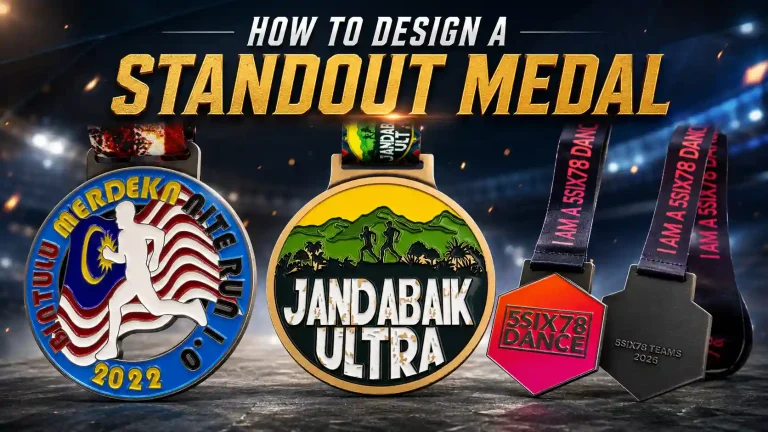
Most colorful medals used at sporting events and competitions are made with enamel. Soft enamel is the most common option. The colored areas sit slightly below the raised metal lines, giving the medal visible texture and strong metal definition.
Soft enamel works especially well for logos, event names, dates, team colors, and mascots. It is also a good choice when your design includes several colors or needs to match specific brand colors.
Hard enamel medals have a smooth, polished surface because the enamel is filled and polished level with the metal lines. They have a cleaner, more refined appearance, although they usually cost more than soft enamel.
Medal size also matters. Designs with more text, detailed logos, or several visual elements usually need a larger medal so everything remains clear and easy to read.
Die-Struck Medals
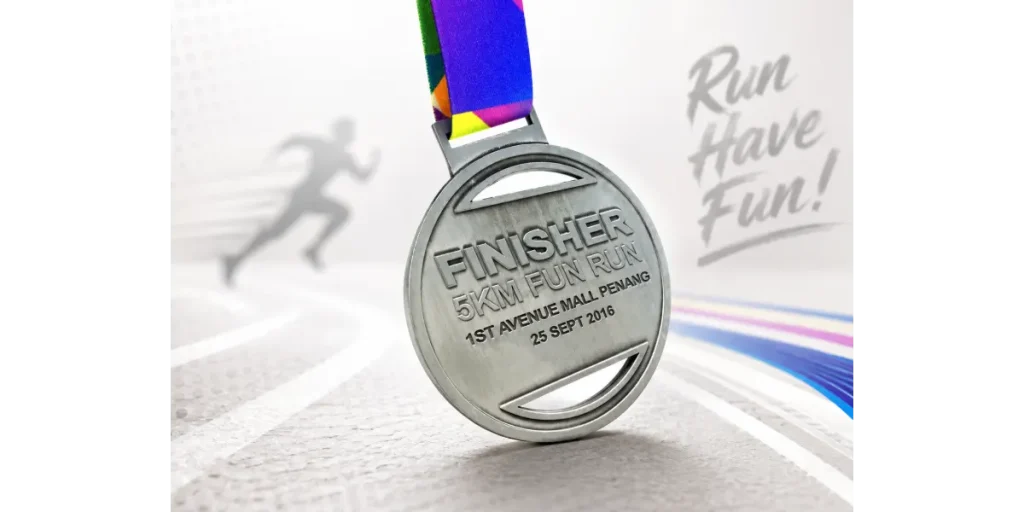
Die-struck medals use raised and recessed metal details without adding color. They can be finished in bright gold, silver, copper, antique gold, antique silver, and other metal tones.
Compared with enamel medals, they have a simpler and more traditional appearance. This style works well for crests, lettering, buildings, portraits, and detailed metal textures. It is a strong choice for awards that need to feel formal, classic, or ceremonial.
Printed Medals
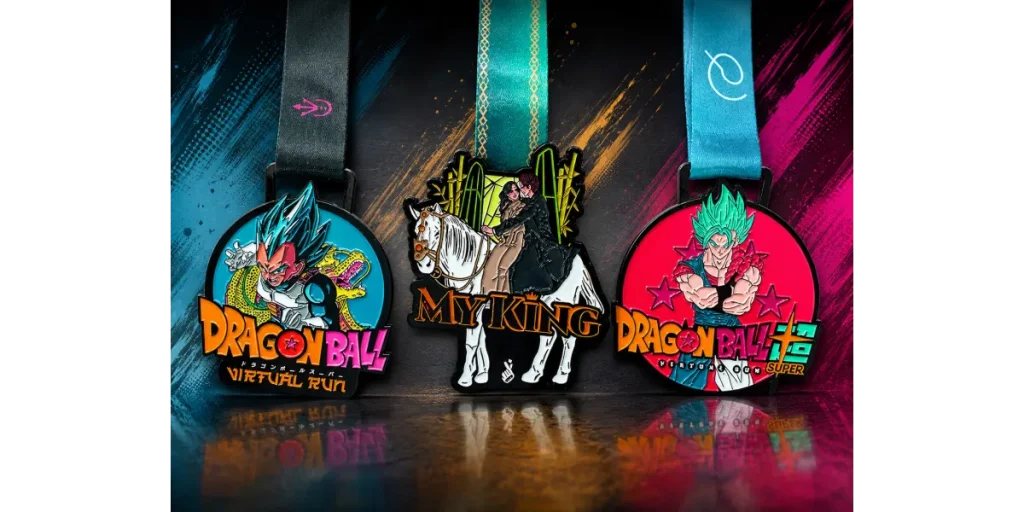
Printed medals place the artwork directly onto the medal surface. They do not have the same raised texture as enamel, but they can reproduce gradients, shadows, photographs, and very small details that enamel cannot easily achieve.
UV printing and full-color printing also allow more freedom with complex artwork. Production is often faster than soft enamel, making printed medals a practical option for detailed designs or tighter deadlines.
Insert Medals
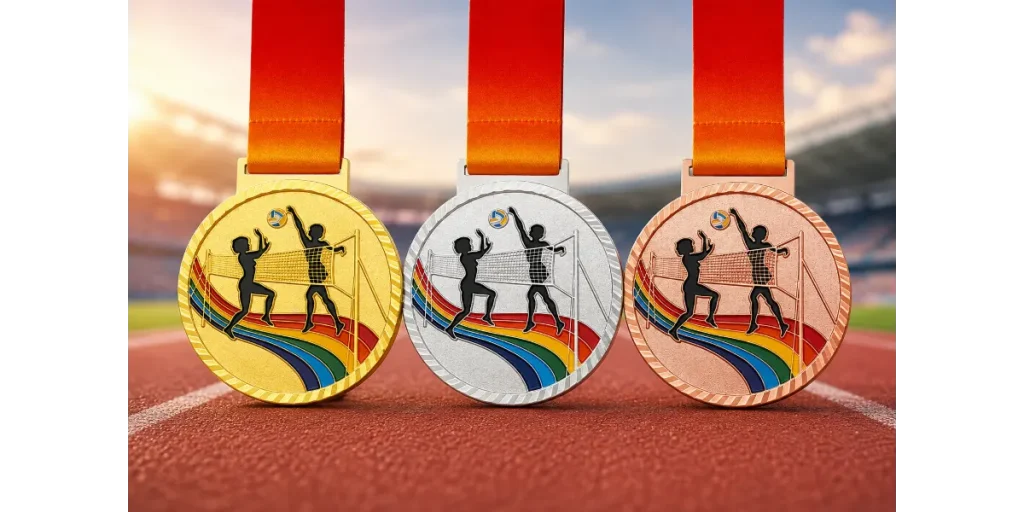
Insert medals use an existing medal design with a printed insert added to the center. Because the outside shape is already made, there is usually no custom mold fee.
This is one of the fastest and most affordable choices for large events, school programs, and last-minute orders. The tradeoff is that you must choose from available medal templates, so the final design is less unique than a fully custom medal.
Choose a Medal by Event Type
Different events call for different medal designs. Your choice should reflect who will receive the award, what the event represents, and which details need to appear on the medal.
Education Medals
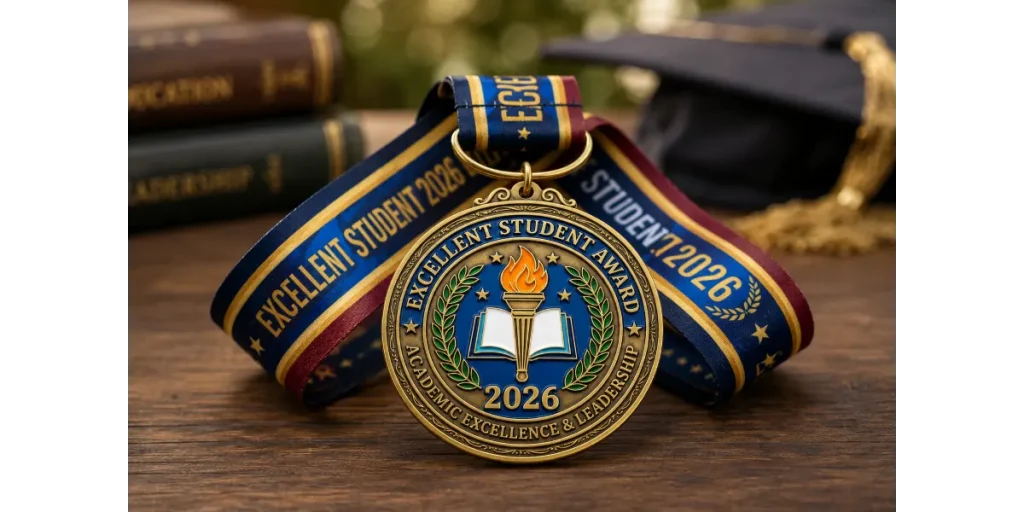
Education medals are commonly used for graduations, academic competitions, course completions, military academies, and corporate training programs.
They can include a school crest, program name, graduation year, award title, or organization motto to recognize students and participants.
Sports Medals

Sports medals are ideal for school athletics, team competitions, club tournaments, and championship events.
Football, basketball, baseball, swimming, martial arts, and other sports can feature their own logos, mascots, and team colors. Gold, silver, and bronze finishes can also be used to separate award levels.
Race Medals
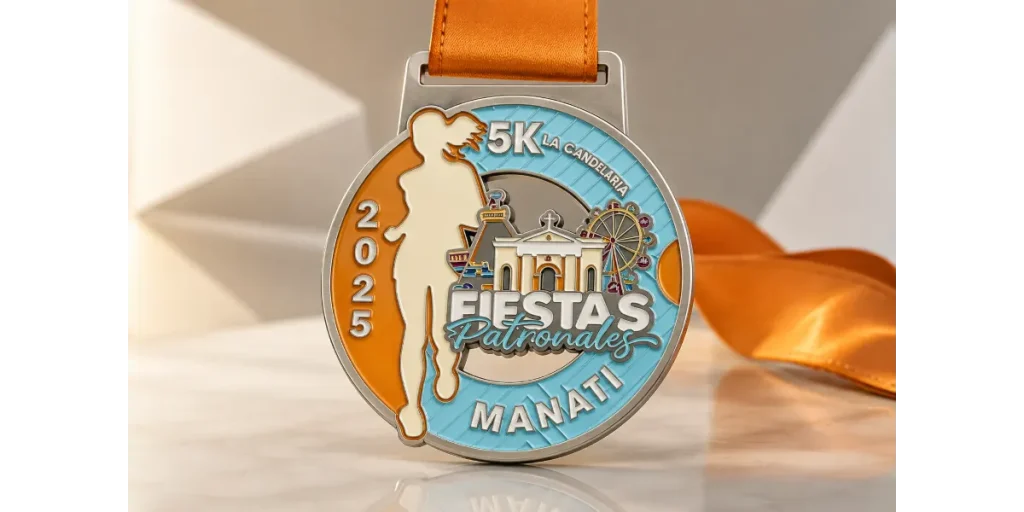
Race medals are made for 5Ks, 10Ks, marathons, cycling events, triathlons, obstacle races, and charity runs.
They often include the race logo, distance, event date, route details, and finisher wording, turning the medal into a keepsake participants can hold onto long after the event.
Common Materials for Custom Medals
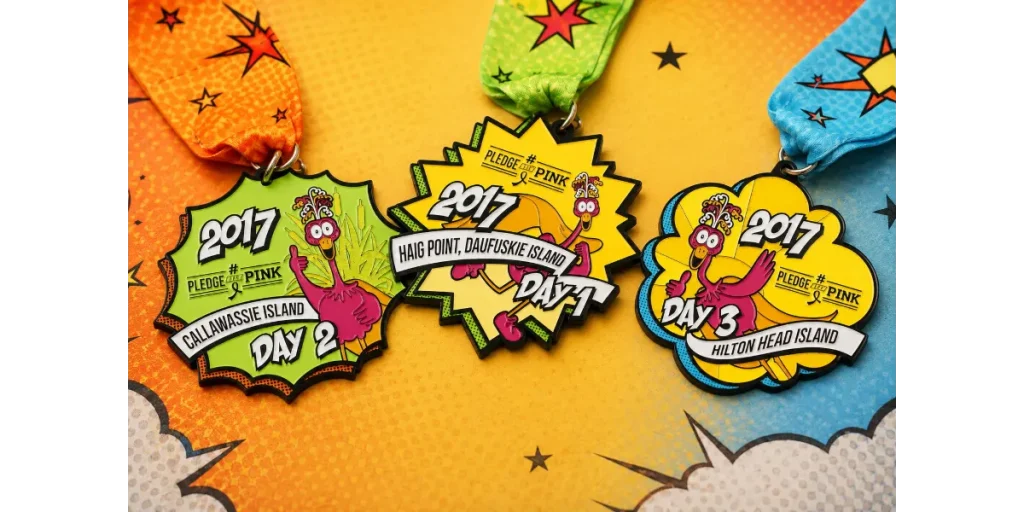
The material affects the medal’s weight, detail, durability, and price.
Zinc Alloy
Zinc alloy is the most widely used material for custom medals. It works well for school events, sports tournaments, marathons, corporate awards, and most other programs.
It can be cast into custom shapes, cutouts, raised 3D details, and double-sided designs. It also supports a wide range of finishes, including gold, silver, bronze, black nickel, and antique plating.
For most customers, zinc alloy offers the best balance of design flexibility, detail, and price.
Iron
Iron medals are a more affordable option for simple designs and large orders.
After plating and coloring, they can look similar to copper medals. However, iron is less suitable for complex shapes and deep 3D details. It can also rust if exposed to moisture for long periods, so proper storage is important.
Copper
Copper medals have a heavier feel and a more premium appearance. They are often selected for commemorative awards, anniversary events, formal ceremonies, and collectible pieces.
Brass, red copper, and bronze can all be used depending on the design and finish. Copper is well suited to detailed metalwork and traditional production methods, but it generally costs more than zinc alloy or iron.
Do Not Overlook Production and Delivery
Once you have chosen the style, material, and medal size, the next step is making sure the order is produced correctly and delivered on time.
A good design will not help much if the finished medals have inconsistent quality or arrive after the event. When comparing medal manufacturers, look beyond the lowest price. Clear communication, reliable quality control, and a realistic production schedule are just as important.
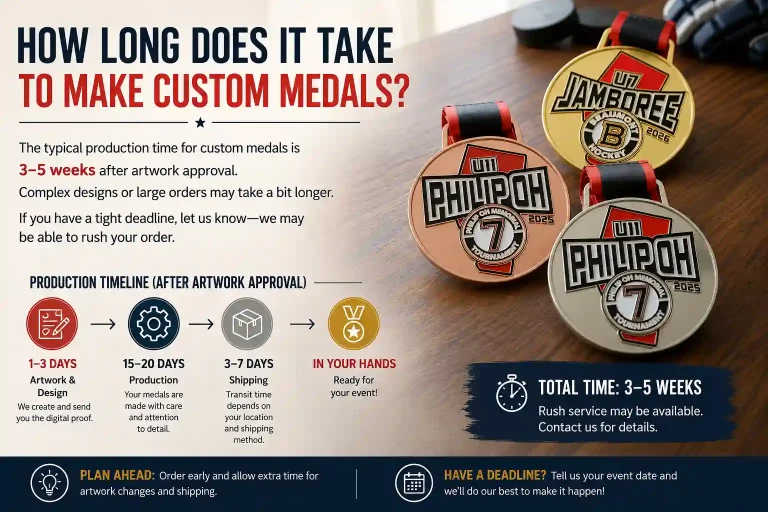
We recommend starting your order at least four to five weeks before the event. Artwork approval, bulk production, quality checks, and shipping all take time.
At VeperPins, we provide free artwork and guide each order from design approval through production and shipping, helping you receive your medals before the event date.