Table of Contents
For custom metal pins, the most common base materials are iron, copper, brass, and zinc alloy.
If you are not sure which one to choose, zinc alloy is usually the easiest option to start with. It works for most designs, especially if your pin has cutouts, an unusual shape, or thicker details.
Iron is a good choice when you want to keep the price lower. Copper and brass cost more, but they feel heavier and more solid, so they are often used for pins that need a higher-end feel.
What Makes Each Material Different
For these materials, it is better to understand their basic characteristics first, so you can choose the one that fits your design and budget best.
Zinc Alloy
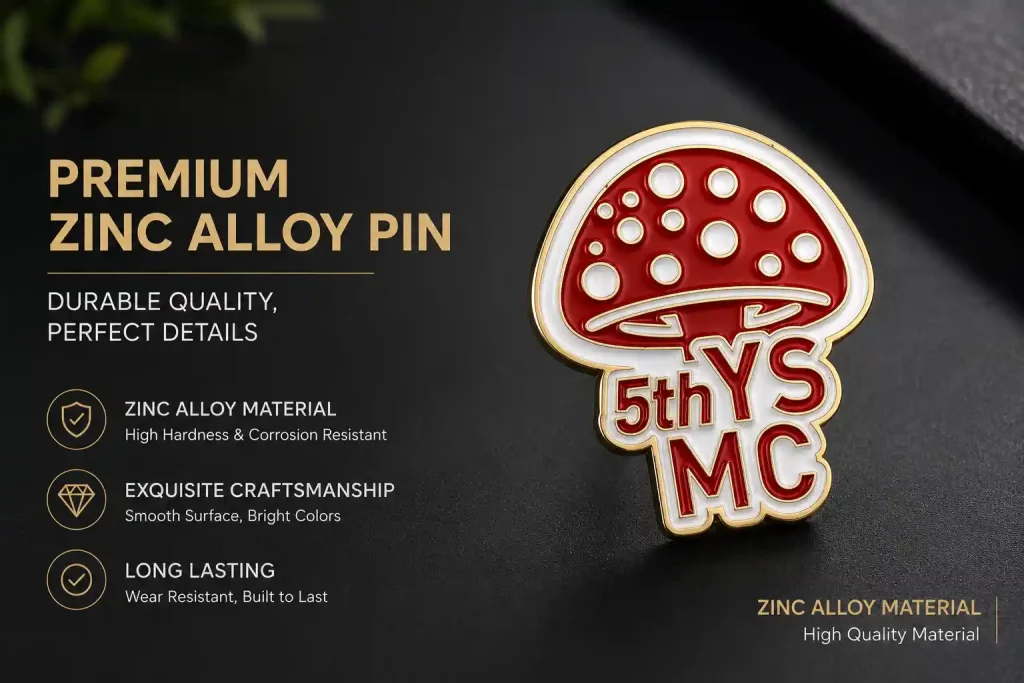
Zinc alloy is a very common material for custom lapel pins, especially when the design has a more detailed or custom shape. It works well with many pin styles and processes, including enamel, cutouts, die casting, and raised details.
Compared with iron or copper, this material is easier to shape. It is a good choice for pins with complex outlines, thinner areas, or 3D elements. The surface also comes out smooth, and it holds up well for everyday use.
Copper
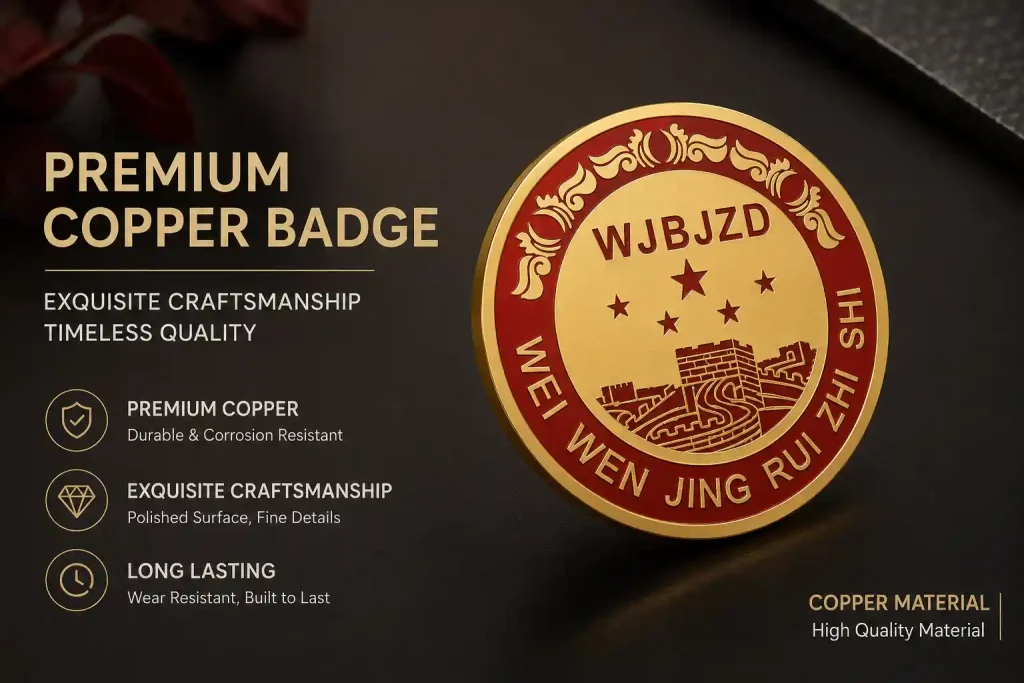
Copper-based materials include pure copper, red copper, brass, and bronze. Brass and bronze are not pure copper, but they are copper alloys, so they are usually grouped into this category.
Compared with iron and zinc alloy, these materials feel heavier, show cleaner metal lines, and usually cost more.
Pure copper and red copper have a warm reddish tone and are often used for hard enamel pins. Brass has a yellow-gold tone and is commonly used for soft enamel pins. Bronze is darker and works well for vintage-style pins, medals, awards, or designs with an antique finish.
Iron
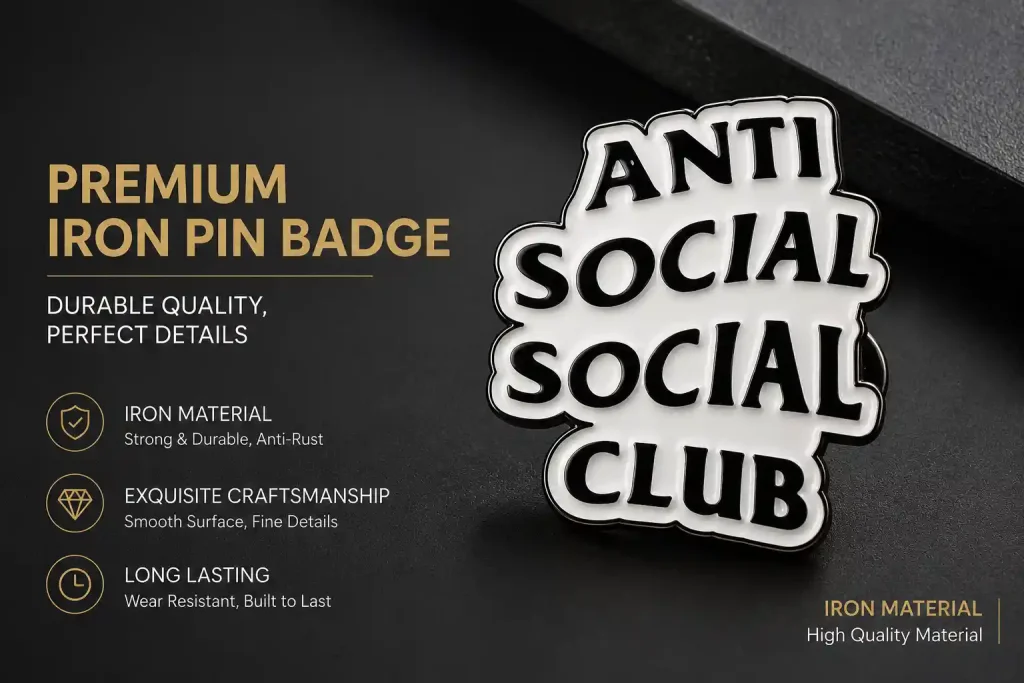
Iron is usually chosen when you want to keep the cost lower. It is a good option for custom pin orders with a tighter budget.
This material is harder than copper and zinc alloy, so the finished pin feels strong and durable. The downside is that it is not as rust-resistant, especially in damp environments.
If your pins need to be stored for a long time or used in humid conditions, another material may be better. But if price is the main concern, iron is still a practical choice.
Which Material Should You Choose for Your Custom Pins?
No matter what type of custom pins you are making, zinc alloy is usually the material we recommend first.
Not because it makes the order more expensive, but because it gives your design more room to work. If this is your first pin order, or you are not sure which material fits your design, zinc alloy is usually the safer choice.
Here is why:
Cleaner Details
Zinc alloy works well for custom shapes, cutouts, thicker areas, and small details. For soft enamel pins, the raised metal lines and recessed color areas come out clean. For printed designs, the artwork edges also tend to look sharper.
Better Look and Feel
It has a solid feel without being as expensive as copper-based materials. After plating, finishes like gold, silver, antique brass, antique silver, and black nickel usually look smooth and clean. It is also a good choice for thicker pins or designs with 3D details.
Good Value
Iron is cheaper, and copper-based materials feel more premium. Zinc alloy sits in the middle. It costs a little more than iron, but the finished pin usually has better thickness, weight, and detail. For many orders around 50 to 500 pieces, this is a practical and reliable choice.
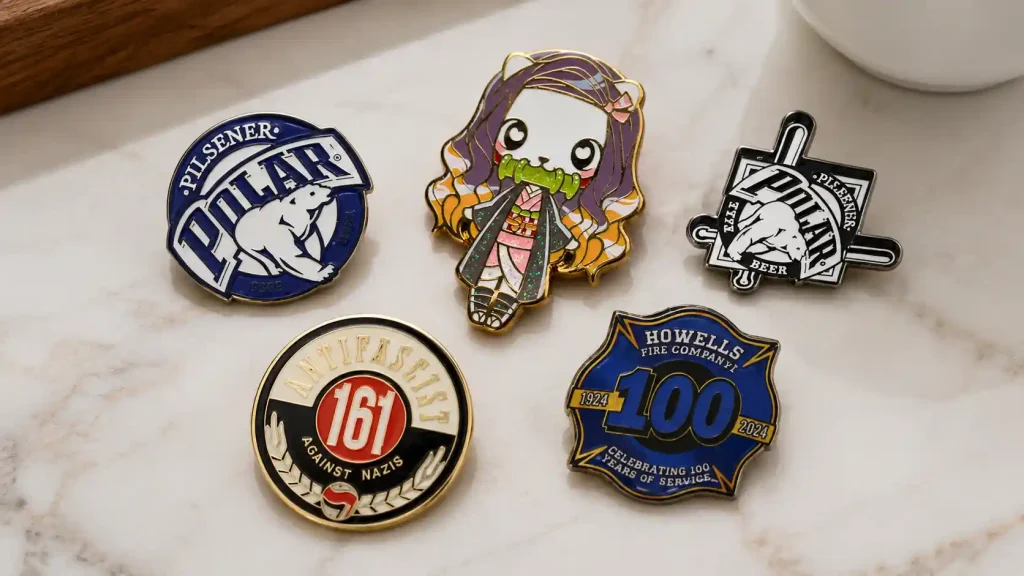
Of course, zinc alloy is not the only option. If your design has specific needs, copper-based materials or iron may also be a better fit.
Copper-Based Materials
These materials are a good choice if you want the pin to have more weight and a nicer feel in hand. They cost more, but the finished pin usually feels more solid.
If your design has a vintage or classic look, this option can work better. Some old-style metal finishes are hard to get from plating alone.
Copper is also often used for hard enamel pins because the process requires high heat. Copper can handle that better, while zinc alloy is usually not the best choice for this type of production.
Iron
This material is a good option when your design has many colors, small details, gradients, or a flat illustration style.
For these designs, printing usually makes more sense. You do not need to separate every color with metal lines, so the artwork can look closer to the original design.
Zinc alloy can also be printed, but if the print covers most of the pin, the metal finish underneath will not really show. In that case, iron can be enough. With UV printing and an epoxy coating, it works well for company pins, event giveaways, and promotional items.
It is also a good choice if you want to keep the price lower. It is lighter too, so it is easier to wear on shirts, jackets, or thinner fabrics.
Will These Materials Rust?
Zinc alloy and copper-based materials usually do not rust the same way iron does. So if rust is a big concern, these two options are usually safer.
Iron can rust more easily, especially in damp conditions. But if the plating is done well and the pins are stored in a dry place, they can still hold up well for normal use or collection.
One thing to keep in mind is the back side. After a long time, the metal clutch, pin post, or other back accessories may show some light rust or oxidation before the front of the pin does.
If you are buying pins for collection, it is better to keep them in a dry place. You can also put a few silica gel packs in the storage box to help reduce moisture.
Less Common Materials
Besides zinc alloy, copper-based materials, and iron, some customers also ask about aluminum or stainless steel. These are not our most common choices, but they can be useful for certain types of artwork.
Aluminum
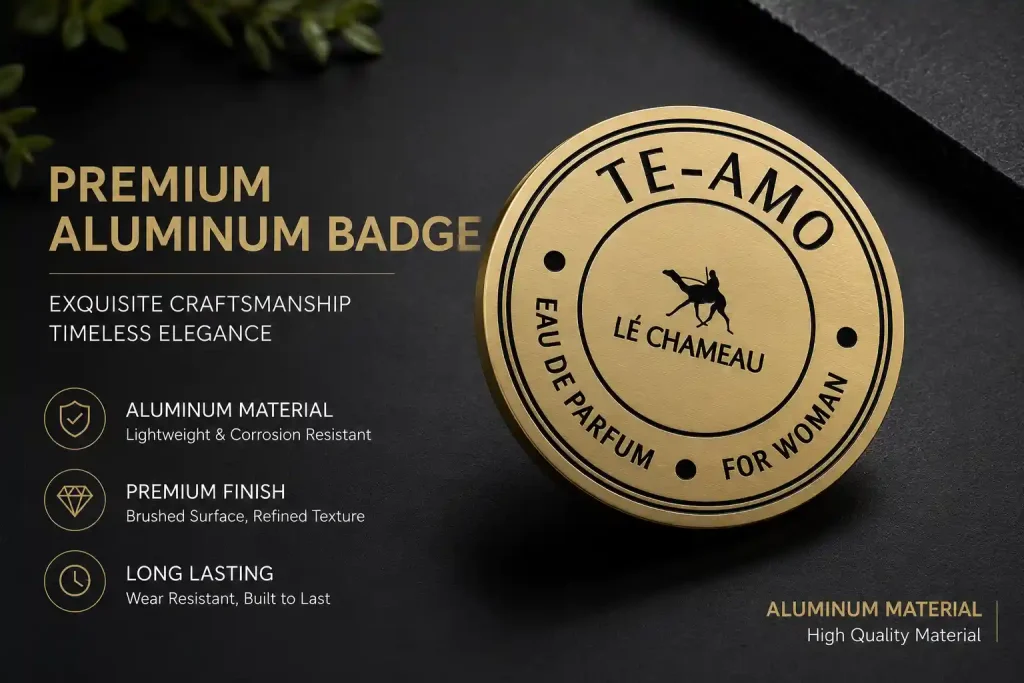
Its flat and smooth surface makes it a good fit for printing. If your artwork has full-color graphics, gradients, or an illustration-style look, aluminum can be a good option, especially when you want the pin to feel as light as possible.
Stainless Steel
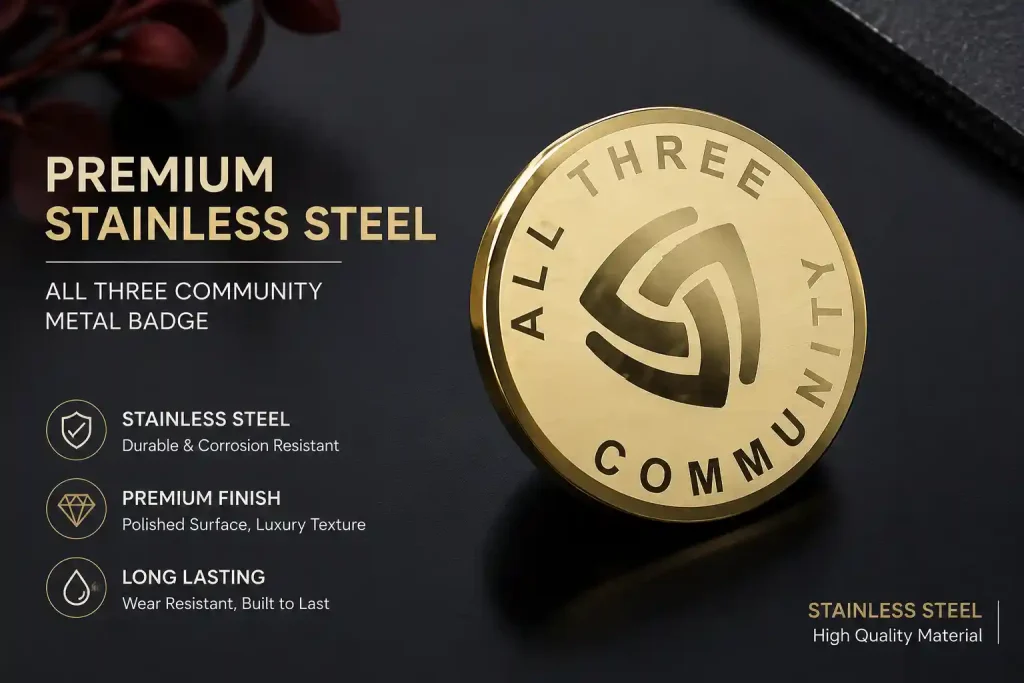
This material can be a good fit if the pin will be worn often, stored for a long time, or used in places where it may touch sweat or moisture. The downside is that stainless steel is hard to shape, so the tooling and production cost can be higher.
If your design is simple and flat, and rust resistance matters more than 3D detail, stainless steel is worth considering.
Still Not Sure Which Pin Material to Choose?
In simple terms, zinc alloy is usually the safest pick when you are not sure where to start. Want more weight and a nicer feel? Copper-based materials are worth considering. Working with a tighter budget or artwork with many colors? Iron can also make sense.
Send us your artwork, size, quantity, and any special requests. We will take a look and suggest the material and process that make the most sense for your pins.
First time ordering? Our custom pin process guide can help you understand how everything works from start to finish.