
Table of Contents
What are lapel pins?
Lapel pins are:
- Small decorative pins worn on clothing
- Used for branding, recognition, or personal expression
- Commonly made with enamel, metal, or printed designs
Lapel pins are small decorative pins worn on clothing, typically attached to suit lapels, jackets, or backpacks. Originally used to represent political affiliations or social status, they have evolved over time into a popular form of personal expression and fashion accessory.
Today, lapel pins are widely used for corporate branding, event souvenirs, team identification, and personal collections. Compared to traditional jewelry, they are more affordable and offer greater design flexibility, allowing unique messages, logos, and ideas to be expressed through colors, shapes, and details.
The History of Lapel Pins
Lapel pins may be small in size, but their history is rich and meaningful. In 19th-century Europe, gentlemen often wore flowers (boutonnières) on the lapels of their suits as a decorative element. Over time, this tradition evolved, and the same position began to be used for small metal pins, especially in the military, where they represented rank, identity, and honor.
In the 20th century, as organizations, businesses, and cultural movements grew, lapel pins became widely used for commemoration, identification, and promotion. With the advancement of enamel pin manufacturing, these pins developed into the colorful and highly detailed designs we commonly see today.
Historically, lapel pins have also played an important role in politics and culture. From the mass-produced political pins of the Soviet era, to patriotic flag pins in the United States, and symbolic badges used in European political movements, lapel pins have long served as a visual way to express beliefs and affiliations.
Today, lapel pins are widely used in fashion, branding, and social culture. Many organizations and companies use custom lapel pins to strengthen team identity and brand recognition, while collectors value them as unique and meaningful items.
Uses of Lapel Pins
Lapel pins are not only decorative accessories but also powerful tools for communication and identity. In daily life, they are widely used for branding, recognition, and personal expression.
Branding & Promotion
Lapel pins are commonly used by businesses for marketing, employee gifts, and event giveaways. Featuring logos or brand elements, they act as wearable “mini advertisements” that increase brand visibility in everyday settings.
Identity & Team Unity
Custom lapel pins help identify members within an organization while strengthening team spirit and a sense of belonging. Wearing the same pin also enhances a unified and professional image.
Awards & Recognition
Lapel pins are often used to reward achievements in companies, competitions, or events. They are cost-effective yet meaningful, adding a sense of honor and memorability.
Commemorative Items
For weddings, birthdays, or special events, custom lapel pins serve as unique keepsakes that capture important moments and personal stories.
Collectibles
Many people collect lapel pins featuring themes like movies, anime, or celebrities. Their small size and variety make them easy and enjoyable to collect.
Types of Lapel Pins
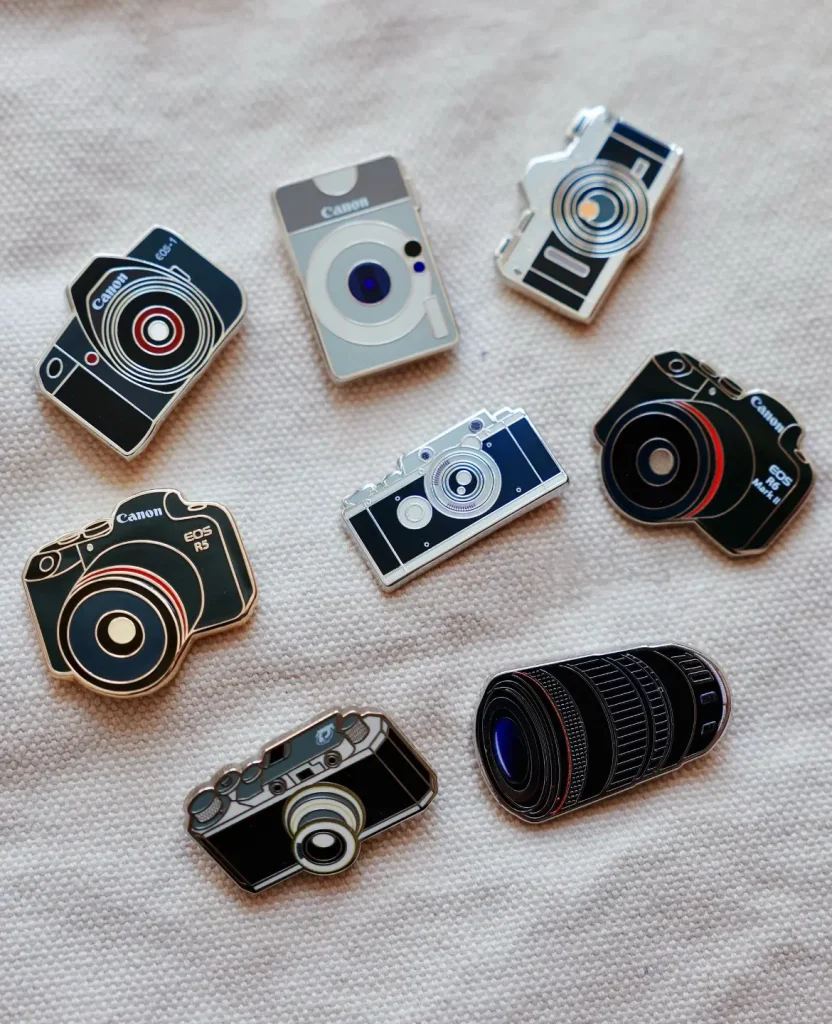
Lapel pins come in different types based on manufacturing methods and finishes.
Enamel Pins:Soft enamel (textured) and hard enamel (smooth, premium).
Printed Pins:Best for complex designs, gradients, and fine details.
Die Struck Pins:No color, metal-only with a classic embossed look.
Die Cast Pins:3D shapes and more complex structures.
Offset Printed Pins:Photo-quality designs with full CMYK colors.
Epoxy Coated Pins:Clear protective layer for shine and durability.
How to Wear Lapel Pins
Lapel pins are typically worn on the left lapel of a suit near the buttonhole for a formal look, but they can also be placed on shirts, hats, or bags for a more casual style. For best results, keep the design simple for formal occasions and more creative for everyday wear, avoid wearing too many pins at once, and always secure the backing properly to prevent it from falling off.
Lapel Pins Details
Besides the design, lapel pins also include important details like plating and backings.
Plating affects the overall look, with common finishes such as gold, silver, copper, and black nickel.
Backings are used to secure the pin, with options like butterfly clutches and rubber backs offering different comfort and stability.
How to Care for Lapel Pins
When you own a lapel pin you like, proper care can help maintain its shine and color for a longer time.
When not in use, it is recommended to store the pin in a dry place and avoid moisture, as this can cause oxidation or surface damage. If the pin gets wet, gently wipe it with a soft cloth to keep it clean and dry. Avoid using heat or high temperatures, as they may affect the enamel or plating.
If not worn for a long time, the color may become slightly dull. To keep the best appearance, it is recommended to wear it regularly or clean it gently when needed.
How to Create and Design Lapel Pins
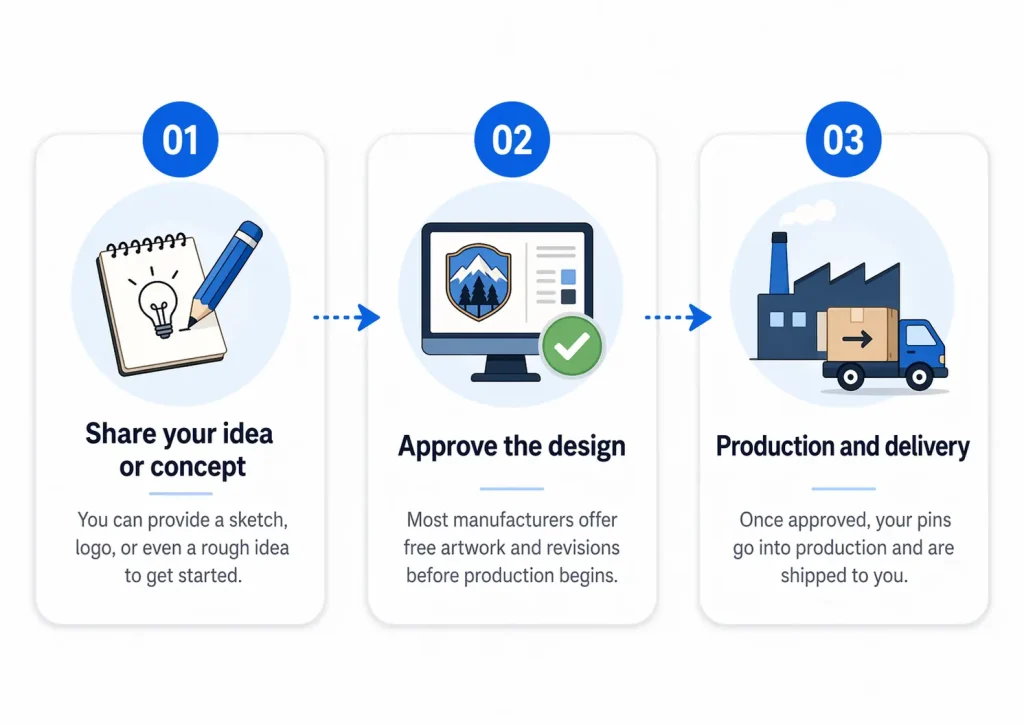
Creating and designing lapel pins is a simple process, even if you’re starting with just an idea.
- Share your idea or concept
You can provide a sketch, logo, or even a rough idea to get started. - Approve the design
Most manufacturers offer free artwork and revisions before production begins. - Production and delivery
Once approved, your pins go into production and are shipped to you.
Designing a great lapel pin doesn’t have to be complicated. Here are a few simple tips:
- Keep your design simple – Clear shapes and readable details work best at small sizes.
- Choose a standard size – 1.5 inches is the most popular and balanced option.
- Select the right metal finish – Gold, silver, or black nickel are common choices depending on your style.
For a complete step-by-step guide, check our Custom Pins Guide.
Need more design help? Read our Custom Pin Design Guide.
How to Choose a Custom Lapel Pin Supplier
When choosing a reliable custom lapel pins supplier, price should not be the only factor. It’s important to evaluate several key aspects:
1. Quality & Samples
Check whether the lines are clean, colors are even, the surface is smooth, and the plating is consistent.
2. Pricing
The price of custom pins typically depends on factors such as size, production method, number of colors, and order quantity.
3. Production Time
Make sure to confirm the timeline for sampling, production, and shipping.
4. Communication
A good supplier should understand your design, respond quickly, clearly explain the process, and respect your requirements.
Customize Your Own Lapel Pins
Lapel pins are not only small decorative items, but also powerful tools for expressing identity, conveying messages, and building brand image.
From fashion styling to corporate promotion, from event souvenirs to personal collections, lapel pins play a unique role in different scenarios.
Understanding their types, materials, and production process can help you choose a custom solution that fits your needs more clearly.
If you are looking to create custom pins—whether for branding, events, or personal designs—we can help you through the entire process from design to production.
We offer free design support and fast sampling services to turn your ideas into real products. Feel free to contact us for a quote or free design advice.


