Table of Contents
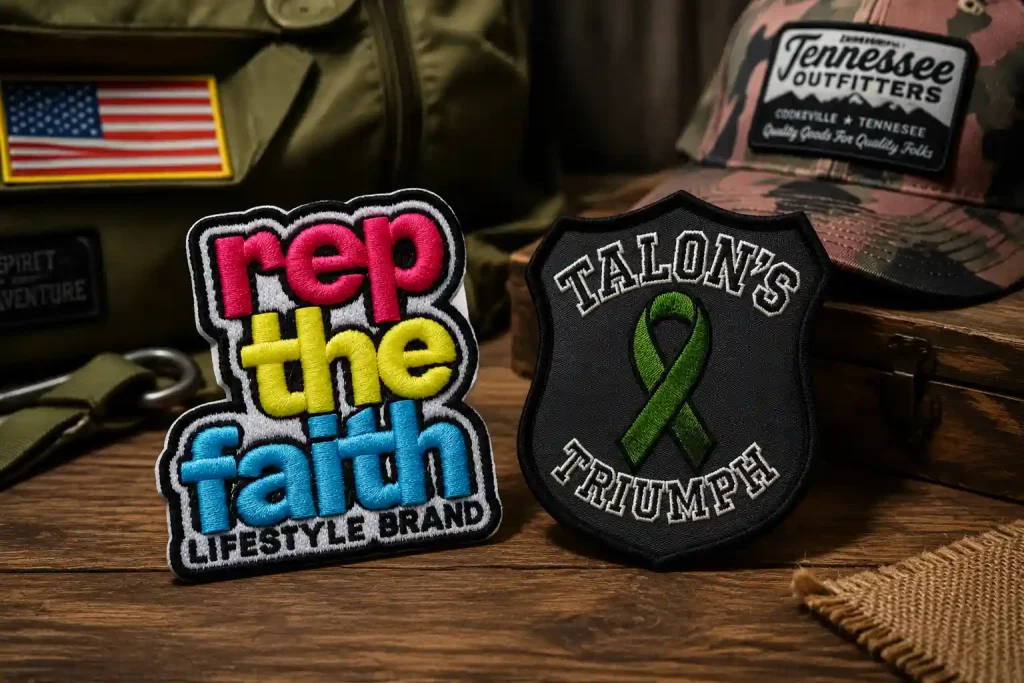
When customizing hats or apparel for a company, school, club, clothing brand, or special event, you may be deciding between two options: embroidering the design directly onto the garment or creating a separate patch that can be sewn or heat-pressed into place.
If you have to choose one, we generally recommend embroidered patches. Direct embroidery can create a clean, built-in appearance, but patches offer more flexibility. They can be removed, replaced, reused, or sold separately. They are also often more affordable, faster to produce, and easier to manage for bulk orders.
In this guide, VeperPins explains why patches are often the more practical choice, based on common applications and feedback from customers.
What Is an Embroidered Patch?
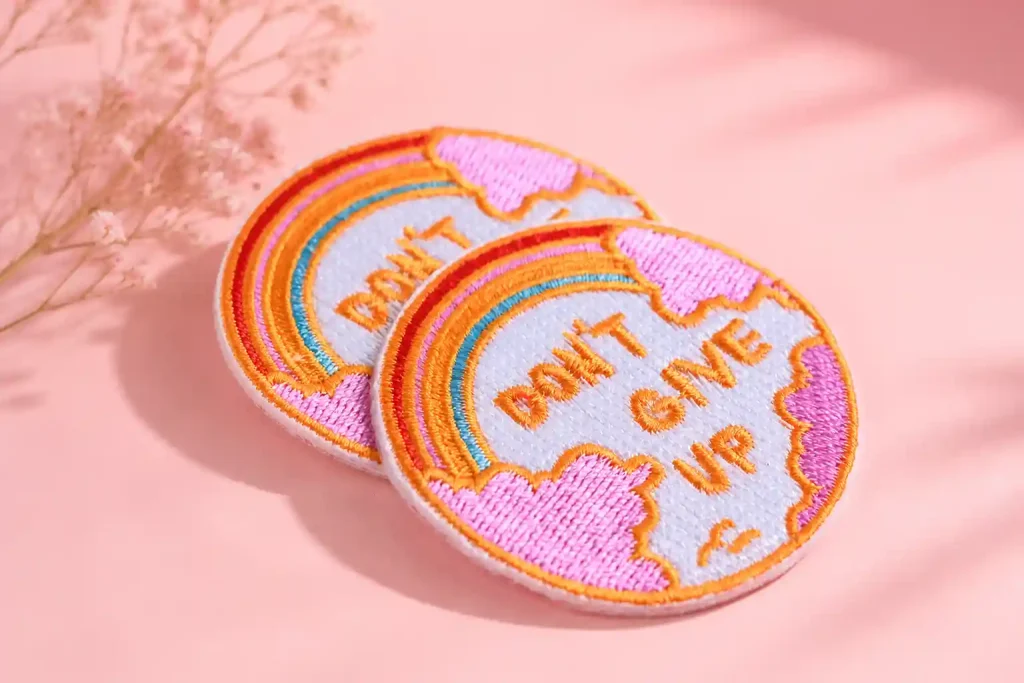
An embroidered patch is a design stitched onto a separate fabric base. Once completed, it can be attached to a hat, jacket, uniform, backpack, or other item by sewing, heat pressing, adhesive backing, or hook-and-loop backing.
Because the patch is produced separately from the garment, you can decide where and how to apply it later. For a more detailed explanation, you can also read our complete embroidered patch guide.
What Is Direct Embroidery?
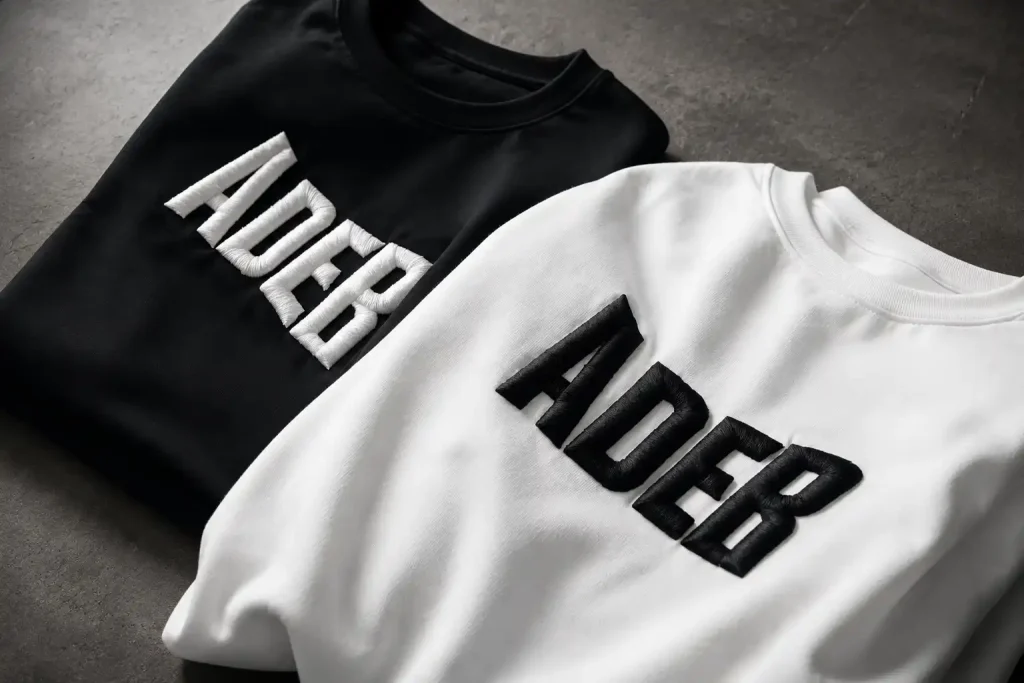
Direct embroidery involves converting a logo or design into a stitch file that an embroidery machine can read. The garment, hat, or fabric is then secured in the machine, and the design is stitched directly onto its surface.
A stabilizer is usually placed behind the material to reduce puckering, stretching, and distortion during production. Once the embroidery is finished, the design becomes a permanent part of the garment.
This creates a smooth, integrated appearance, but the design cannot be removed, replaced, or reused the way a patch can.
Why Are Patches Often Better Than Direct Embroidery?
Save Money on Bulk Orders
At VeperPins, we believe quality matters more than simply choosing the lowest price. However, when you need to add the same design to a large number of hats or garments, patches can be significantly more affordable than direct embroidery.
For example, an order of 100 two-inch patches with adhesive backing and heat-press application costs an average of about US$2.54 per item. Direct embroidery for a similar design may cost approximately US$4.24 to US$5.05 per item.
For 100 pieces, that could mean savings of around US$170 to US$276.
Patches are also more convenient when you need to reorder. You can produce a few extras in advance and apply them whenever new uniforms or hats are needed, rather than paying additional setup fees for another small embroidery order.
If a garment is damaged or an employee leaves, the patch may also be removed and reused. If there is a mistake with the position, color, or wording, you only need to replace the patch instead of wasting the entire garment.
More Ways to Use Them
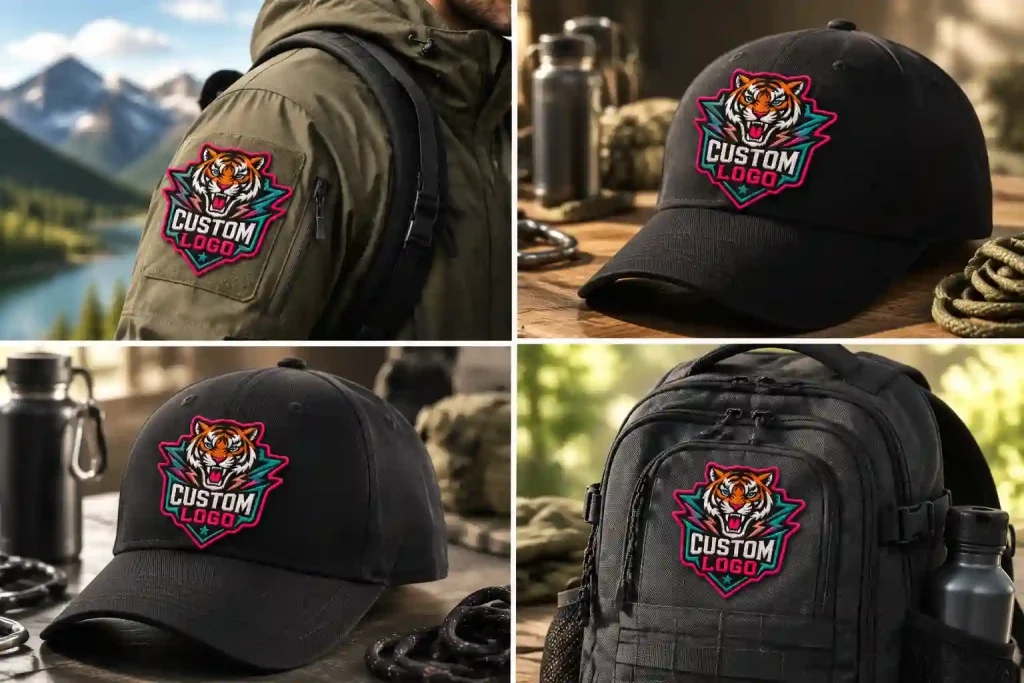
Patches can be attached by sewing, heat pressing, adhesive backing, or hook-and-loop backing. They work well on hats, uniforms, jackets, backpacks, aprons, and many other products.
You also do not need to decide exactly where every patch will be used before placing your order. The same design can be applied to different types of apparel, and multiple patches can even be used on a single garment.
Hook-and-loop patches are especially flexible because they can be removed, replaced, or transferred to another item at any time. This is useful for schools, clubs, military and law enforcement organizations, company teams, and industries where uniforms are changed frequently, such as automotive repair, landscaping, food service, and maintenance.
When an old uniform wears out, the original patch can often be moved to a new one. With direct embroidery, the design must be stitched again each time the garment is replaced.
Works on More Materials
Some fabrics are too thin, too stretchy, or coated with water-resistant finishes that do not respond well to direct embroidery. Stitching through these materials can cause puckering, distortion, stiffness, or visible needle holes.
A patch is embroidered separately on a stable fabric base and attached afterward. This reduces stress on the original material and makes it easier to decorate items such as lightweight garments, hats, leather goods, backpacks, and outdoor gear.
Better for Bigger Designs
Directly embroidering a large design or a logo with a lot of text and detail can make the garment feel thick, heavy, or stiff. Fine elements may also be harder to reproduce on unstable or lightweight fabric.
Patches have their own fabric backing, which provides additional support for larger designs. This helps the artwork maintain its shape and creates the bold, traditional appearance often associated with team emblems, club badges, and uniform insignia.
Sell Them as Merchandise
Direct embroidery can only be sold as part of a finished hat, jacket, or other garment. A patch, however, is a complete product on its own.
Clothing brands, bands, clubs, artists, and event organizers can sell patches separately or use them as gifts, promotional items, collectibles, or order bonuses. Customers can then choose how and where they want to use them.
What Are the Benefits of Direct Embroidery?
Direct embroidery gives clothing a clean, built-in look with no visible patch border. It also stays firmly in place and feels lighter, which makes it a good choice for polos, shirts, and everyday uniforms.
It works best when the garment and design are already confirmed. If you need more flexibility for replacements, reorders, or different products, patches are usually the easier option.
When Should You Choose Embroidered Patches?
Patches are usually a good choice for:
- Companies, schools, sports teams, and clubs that want to use the same logo on uniforms, hats, jackets, and backpacks
- Military, police, fire, security, and outdoor organizations that need to update names, ranks, departments, or unit identifiers
- Clothing brands, bands, and event organizers that want to sell patches as merchandise, gifts, or limited-edition products
- Restaurants, repair shops, landscaping companies, warehouses, and other workplaces where uniforms wear out or need frequent replacement
- Growing teams that may hire new employees or place small repeat orders later
- Projects where the final garment colors, styles, or sizes have not yet been selected
- Customers who want to position the design on a garment before choosing between sewing and heat pressing
- Designs that need a bold team emblem, club badge, or traditional embroidered look
Final Thoughts From VeperPins
If you can only choose one option, we recommend producing the patches separately.
The reason is practical: you can keep extra pieces on hand and apply them only when needed. The same design can be used on hats, jackets, uniforms, backpacks, and other products. When you add employees, replace worn-out clothing, or update a date or position, you do not need to reorder an entire set of embroidered garments.
For most teams, brands, and event projects, this approach is easier to manage and creates less waste.
When you are ready to order, send your artwork and intended application to VeperPins. Our team can help you select the right size, embroidery coverage, backing, and attachment method for your project.
Why Buyers Often Choose Embroidered Patches
Many teams and businesses choose embroidered patches because they offer more flexibility, easier replacement, and a consistent look across different garments.
We chose embroidered patches instead of stitching our logo directly onto every jacket. Everyone on our team wears different styles, so using the same patch made everything easier and kept our uniforms looking consistent.
The best part is that the patches can be removed and reused. One of our work jackets wore out, so we moved the patch onto a new jacket instead of paying for the logo embroidery again.
We wanted the same design on shirts, hats, and backpacks. Ordering patches separately worked better because we could use one design across different products while keeping everything consistent.
We thought about direct embroidery at first, but we had not finalized all uniform sizes yet. Ordering patches first gave us more flexibility and helped avoid wasting clothing.
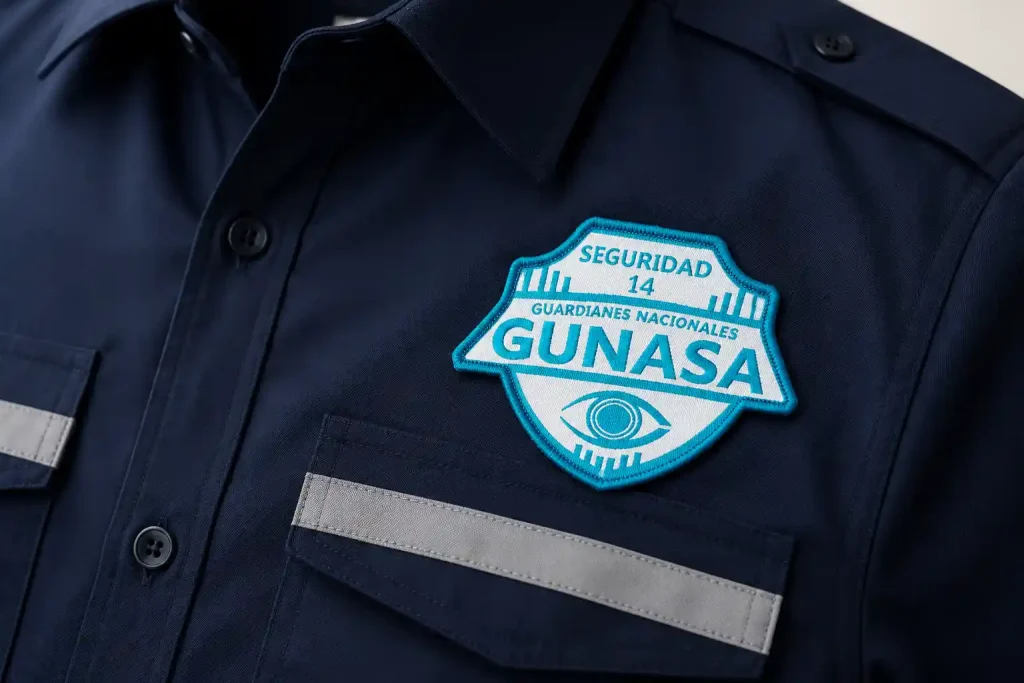
Our logo needed to go near a pocket, which would have been difficult for direct embroidery. Making it as a patch was much easier, and once sewn on, it looked clean and stayed secure.
Examples are based on common buyer experiences when choosing embroidered patches for uniforms, teams, and branded apparel.


