
Table of Contents
Custom trading pins for teams and tournaments are more than just small collectibles. They represent team spirit, help players connect with others, and turn each event into a lasting memory. For many youth sports teams, pin trading has become one of the most enjoyable traditions outside the game itself.
At VeperPins, you can create custom pins that help your team stand out at tournaments and make every trade feel more meaningful.
What Are Trading Pins
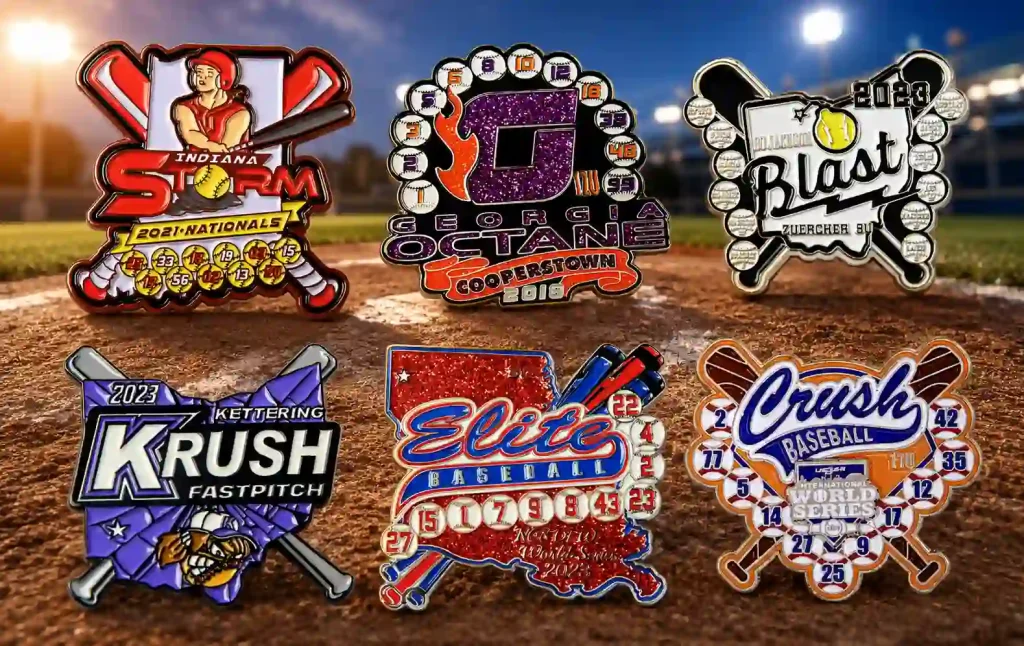
Trading pins for teams and tournaments are small custom pins designed to represent a team, event, or special sports memory. For youth baseball, softball, and other tournament teams, these pins often include the team name, logo, mascot, colors, or event year, making them easy to recognize and fun to trade.
The tradition has roots in sports culture. Early Olympic badges were first used for identification, and over time, collectible pins became a way for athletes, fans, and teams to connect. In youth baseball, pin trading became especially popular around major tournaments such as the Little League Baseball World Series, where teams and fans trade pins as part of the event experience.
For teams, a trading pin works like a small team card that players can exchange with opponents and new friends. For tournaments, it becomes a keepsake that reminds people of the event, the place, and the memories they made there.
Why Do Teams Trade Them at Tournaments?
Teams trade pins at tournaments because it gives players a fun way to connect beyond the game itself. A small custom pin can be an easy icebreaker, helping kids start conversations with players from other teams, meet new friends, and feel more involved in the tournament experience.
It also turns each event into a collection of memories. Every piece on a player’s lanyard may represent a team they met, a place they visited, or a game they will remember. For many youth baseball and softball players, collecting and exchanging pins becomes one of the most exciting traditions outside the field.
Some teams also create special designs for major events, such as glow-in-the-dark effects, player names, or other custom details that make each piece more meaningful. These unique styles are often the ones players are most excited to find and trade, adding a friendly and memorable energy to the tournament atmosphere.
Who Uses Team Trading Pins?
Trading pins are most commonly used by youth baseball and softball teams, but the tradition often involves more than just the players. In many tournaments, the whole team community becomes part of the experience.
Players are usually the ones doing the actual trading. They walk around the tournament with pins on their lanyards, looking for designs from other teams. For them, it is not just about the pin itself. It is a simple way to meet kids from different places and take home a small reminder of the event.
Coaches and team managers are often the people who plan ahead and place the order. They need to make sure the design fits the team and that there are enough pins for every player to trade without running out too quickly.
Parents also get involved, whether they are helping choose the design, organizing pins on lanyards, or saving favorite pieces after the tournament is over. At many youth sports events, these small pins become more than team gear. They become part of the family’s travel and game-day memories.
Tournament organizers may also create official event pins with the tournament name, location, and year. These are often kept by players, families, fans, and collectors as small souvenirs from the event.
Common Types of Trading Pins
Baseball
Baseball trading pins are the most common type. Many youth baseball teams, Little League teams, and teams traveling to Cooperstown order them before a big tournament. Players trade them at the fields, and many families keep them as a memory of the season.
Softball
Softball trading pins are popular with fastpitch teams, girls softball teams, and tournament teams. They are especially common at Nationals, World Series events, and large regional tournaments, where teams often prepare pins for players to trade.
Basketball
Basketball trading pins are often used by school teams, youth basketball teams, clubs, and training camps. They work well as team keepsakes, player gifts, award items, or small giveaways for events.
Football
Football trading pins are a good choice for youth football teams, school programs, and local clubs. They work well as season keepsakes, player gifts, or small souvenirs for parents and supporters.
Volleyball
Volleyball trading pins are used by school volleyball teams, club volleyball teams, and tournament teams. For teams that play in leagues or weekend tournaments, they make a simple and lightweight team keepsake.
Soccer
Soccer trading pins are popular with youth soccer teams, travel clubs, and school teams. They are great for tournaments, camps, club events, and international exchanges.
Hockey
Hockey trading pins are often used by youth hockey teams, ice hockey clubs, and tournament teams. They can be used as event keepsakes, team gifts, or pins to trade with other teams during a tournament.
When Should a Team Place an Order?
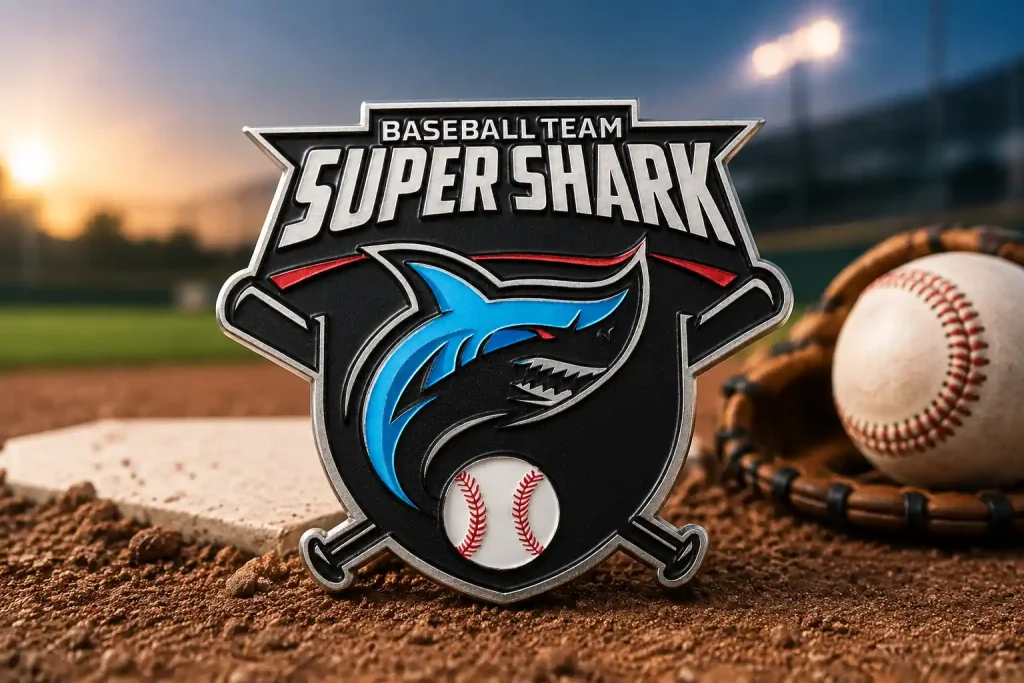
Custom trading pins should be ordered in advance because they need time for design approval, mold creation, production, quality checking, and shipping. In most cases, teams should start the order process 4–6 weeks before the tournament. This gives enough time to confirm the artwork and avoid rushing close to the event date.
If your design is more detailed or includes special features such as glow-in-the-dark enamel, glitter, spinners, sliders, or danglers, it is better to plan 5–7 weeks ahead. A longer timeline gives the factory more time to prepare, produce the pins carefully, and make sure they arrive before the tournament begins.
How Many Pins Should Your Team Order?
A team should not order the same number of pins for every tournament. The right number of trading pins really depends on where you’re going and how active the trading scene is.
For a small local tournament, 15–25 pins per player is usually enough. Players may only trade a few times between games, so the team does not need a large supply.
For a regular travel tournament with more teams, plan around 30–40 pins per player. This gives each player enough to trade throughout the weekend without running out after the first day.
For major events where pin trading is part of the experience, such as Cooperstown-style youth baseball tournaments, it is safer to prepare 50–75 pins per player. At these events, kids often start trading as soon as they arrive, and popular designs can disappear quickly.
A simple way to estimate your order is:
Number of players × pins per player + extras for coaches, parents, and keepsakes.
For example, a 12-player team going to a large tournament may order around 700–900 pins: about 50–75 for each player, plus extra pieces for the team to save or share. If your team wants a larger or more detailed “premium” pin, you can also order fewer special pieces and use them for higher-value trades.
How Much Do Team Pins Cost?
Team trading pins do not have one fixed price. The cost usually depends on the size, order quantity, and how detailed the design is.
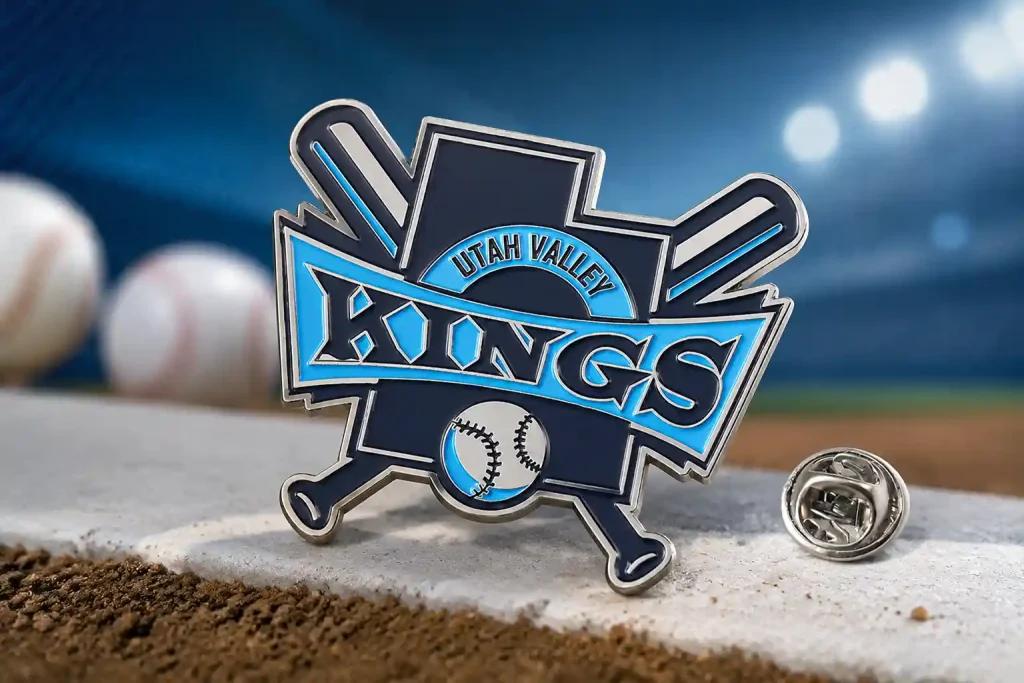
For a regular size with a standard soft enamel design, the price is usually easier to control. The more pins you order, the lower the cost per piece will usually be, because the mold and production costs are spread across more pins. For example, the price per pin can be very different between an order of 100 pieces and an order of 500 pieces.
Size also matters. A larger pin uses more material and usually costs more to produce. If your team has a limited budget, choosing a slightly smaller size or keeping the design simple can help lower the overall cost.
Extra moving parts, danglers, player names, or individual numbers can also increase the price. These details can make the pin feel more special, but they are not always necessary if the main goal is to give every player enough pins to trade. For most teams, a clean and easy-to-recognize design is often the better value.
What Should Be Included on the Design?
A good trading pin should be easy to recognize, easy to remember, and fun for other players to trade. Most teams include a few key details that show who they are and where the pin came from.
Team Name:
This helps other players know which team the pin represents at a glance.
Team Logo or Mascot:
A logo or mascot is usually the most recognizable part of the design and helps the pin stand out.
Team Colors:
Using your team colors makes the pin feel connected to your uniforms, banners, and overall team identity.
Tournament Name or Year:
Adding the event name or year, such as “2026 Tournament,” makes the pin feel more like a keepsake from that season.
Player Names or Numbers:
Some teams add player names or jersey numbers for a more personal version, especially for special tournaments.
City, State, or Region:
Including where your team is from gives the pin more local character and helps other players remember who they traded with.
Sports or Event Details:
Baseballs, softballs, bats, gloves, trophies, state outlines, or tournament-themed elements can make the design feel more connected to the game.
How to Design Your Team Pins
When designing trading pins, start with the basic details first instead of adding too many elements at once.
1. Choose a Theme
Decide what the pin should focus on first. It could be your team logo, mascot, state shape, or a specific tournament. A clear theme makes the whole design easier to build.
2. Add the Most Important Details
Include the key information that needs to be shown, such as the team name, year, tournament name, city, or player number. Keep the text simple so it stays readable on a small pin.
3. Choose Add-ons
To make the pin more eye-catching, you can add features like a dangler, spinner, glitter, slider, blinker, or bobble. One or two add-ons are usually enough if they match the design.
4. Check the Colors
Before production, confirm the team colors, logo colors, and text colors. Clear color contrast helps the pin look better and makes it easier to recognize when trading.
Tips for Pin Trading at Tournaments
First, hand the pins directly to the kids. Let them lead the trades—it’s an awesome icebreaker and a fantastic way to build confidence.
Pro tip: Don’t let them trade their whole stash on Day 1! Pace it out. Hand out a few pins each day to keep the excitement going all weekend long.
Grab a lanyard or a trading towel to show off their collection. It makes it super easy for other ballplayers to spot them and walk over to trade. For the younger kiddos, parents can hold onto the backup stash so nothing gets lost.
At the end of the day, it’s not about which pin is ‘worth’ more—it’s all about making new friends and bringing home unforgettable tournament memories!
Why Baseball and Softball Lead the Pin Trading Tradition
If you’ve ever been to a youth baseball or softball tournament, you know that pin trading is basically a sport of its own. Sure, soccer and basketball are cool, but they just don’t have the same magic when it comes to pins.
Here is why baseball and softball teams totally rule the pin-trading game:
Tons of dugout downtime:
Baseball has a lot of waiting around between innings. A quick “Wanna trade?” is the perfect way to pass the time.
The weekend tournament vibe:
Traveling, hotels, and hours to kill between games? Pin trading turns downtime into a giant social party.
It’s literally in the DNA:
Parents and coaches did it when they were kids. It’s a massive sports tradition passed down for generations.
The pins are just cooler:
Spinners, sliders, LEDs, and neon glows. These aren’t boring metals—it’s a real-life treasure hunt for kids.
Create Custom Trading Pins Your Team Will Remember
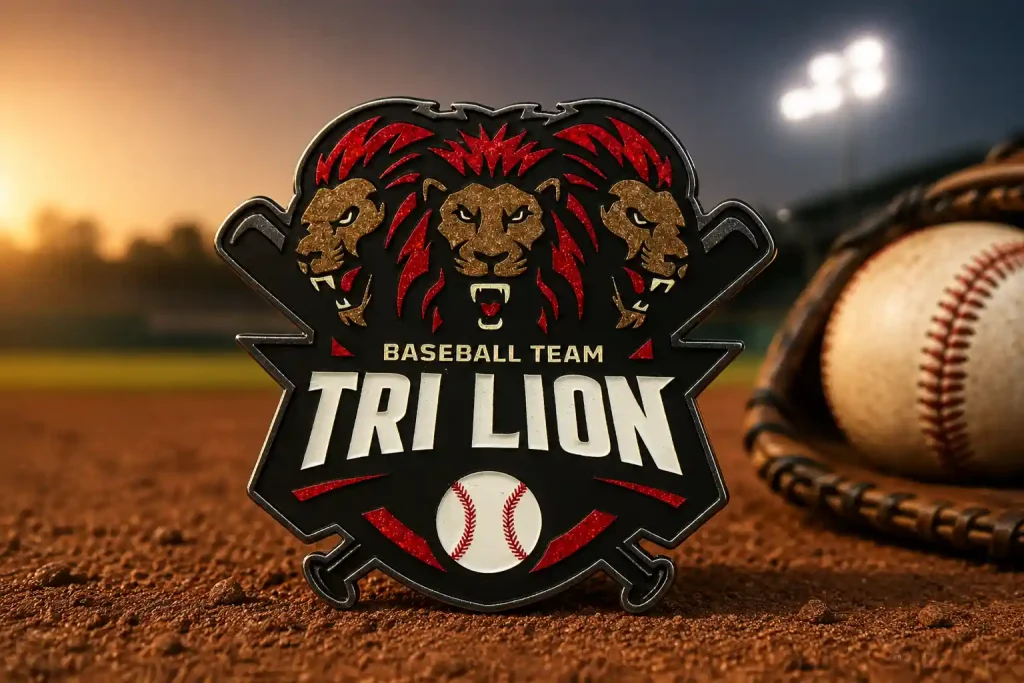
Although custom trading pins need to be prepared in advance, the memories they create are often worth the wait. Kids can trade and collect them during the tournament, then take home a real reminder of the team journey. For parents and coaches, being part of the design process also makes each small pin feel more meaningful.
Start turning your team design into a custom trading pin today, and create a special keepsake for your next tournament.
FAQs About Team Trading Pins
How many trading pins should each player bring?
For a small local tournament, 10–20 pins per player is usually a good starting point. For Cooperstown-style or larger tournaments, teams often order more so players do not run out during the event.
Do older kids still trade pins?
Yes. Pin trading is still popular at larger baseball and softball tournaments, especially destination events, World Series-style tournaments, and Cooperstown-style games.
What should teams avoid putting on trading pins?
Avoid political messages, controversial slogans, overly personal jokes, or details other teams may not understand. Team names, mascots, city or state names, years, and team colors usually work best.


